See when a translation changed, who changed it, and how its status moved over time.
Return to an earlier translation when an edit needs to be undone.
Review previous versions when you need to understand how wording changed between updates.
An audit trail for when legal, a customer, or a buyer asks what shipped.
)
See when a translation changed, who changed it, and how its status moved over time.
Return to an earlier translation when an edit needs to be undone.
Review previous versions when you need to understand how wording changed between updates.
Track changes
See segment updates and status changes together with who made them and when.
)
Review previous versions
Look back at earlier translations when you need to understand what changed.
)
Restore earlier wording
Return to a previous translation without rebuilding it manually.
)
What is a translation history?
Translation history records how a translation changes over time. It shows previous versions, status changes, and the people behind those updates, giving your team a clear record of what changed and when. Earlier versions remain available when you need to review or restore them.
For managers

See who changed a translation and when
Follow status changes across the review process
Trace an issue back to an earlier version
For marketers
Compare wording across content updates
Review how approved messaging changed over time
Restore earlier copy when needed
For translators
Review previous versions without leaving the editor
See who made each change and when
Restore earlier wording when an edit needs to be undone
Version comparison
Review previous versions of a segment and see how its wording changed.
Change history
See edits and updates together with the person and time associated with them.
Status tracking
Follow how a segment moved through translation and review.
Version restoration
Return to an earlier translation when you need to undo a change.
)
Keep a clear record of how each translation develops over time, with earlier versions always within reach.
Select a segment in the editor
Open a text segment to view its history and previous versions.
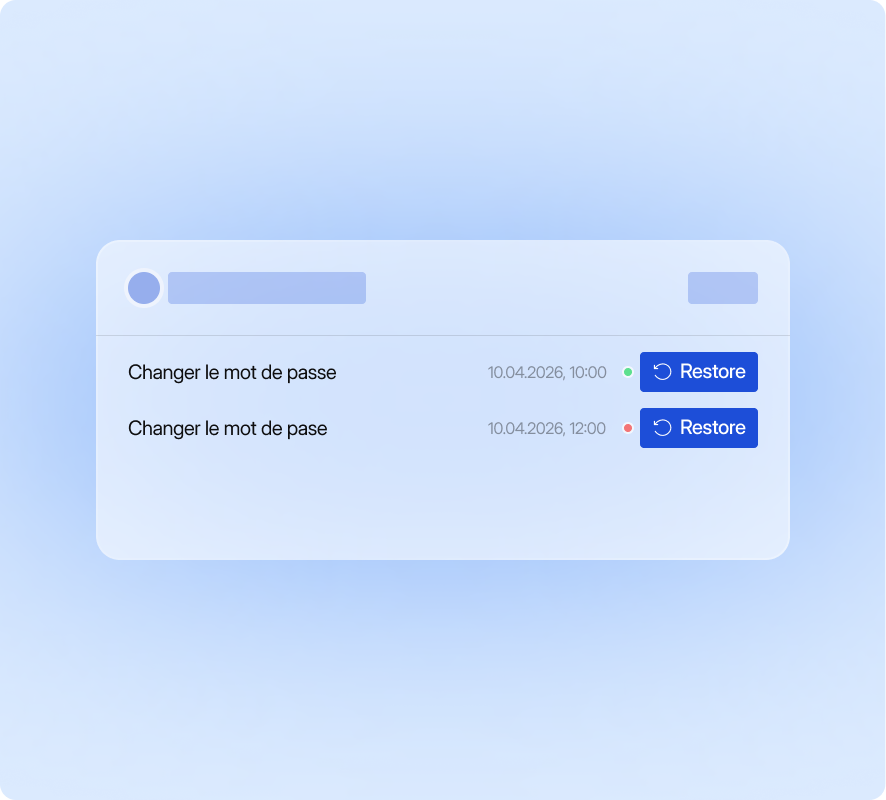
Review previous versions
Compare earlier wording and see how the translation changed over time.
Restore when needed
Select an earlier version and restore it when you need to undo a change.
Language you can ship. Start localizing now.
Free 14-day trial. No credit card required.

Glossary, translation memory, and QA on every string.

LINA drafts. Your team approves what matters.

The next release matches the last one.
Got questions? We have the answers.
How do I track changes and user activity for specific strings with LingoHub?

View every modification, including the time the change occurred and the user responsible, via the comprehensive version history in the editor side panel. This provides full transparency for every string across all projects and languages.
Can I recover an older version of a translation in LingoHub?
Yes, you can compare different translation states and restore any previous version in seconds to undo errors. This eliminates manual rework and helps debug layout issues caused by content changes.
How does LingoHub track content approvals?
Every status update, from “Translated” to “Approved”, is recorded to show exactly who signed off on the final text. This clear history simplifies review cycles and keeps the entire team aligned on project progress.
