Localization workflows & operations
Back translation: A practical guide for global organizations
Localization workflows & operations
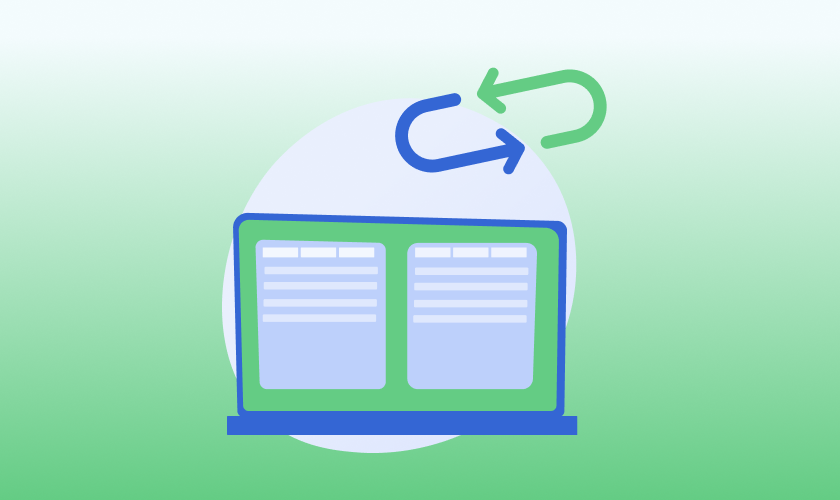
Table of content

Back translation helps international teams check whether meaning survives across languages when content is high stakes, jargon-heavy, or compliance-sensitive. If you have ever asked yourself, “What is back translation?”, the short answer is simple: it is a quality check in which translated content is localized back into the original language and then reviewed for meaning shifts. For enterprises and global organizations, the back-translation method is useful when minor wording changes can affect safety, legal accuracy, research validity, or trust.
Back translation is the process of taking content that has already been translated into a target language and translating it back into the original source language using a different linguist or AI engine. The goal is to see whether the original meaning “stayed intact” during translation. If you want a broader view of how meaning shifts across languages in the first place, see our article on modern translation and how meaning moves across languages. This matters because a translation can sound fluent while still drifting from the source. A patient instruction, legal clause, or product safety note may read naturally in the target language despite changes to the intended meaning.
The key takeaway is this: back-translation checks whether meaning has been preserved, rather than whether the wording has remained identical.
Back translation is one quality method within a broader localization toolkit: use it to verify meaning in high-risk content. Use a bilingual review when you need an expert to compare the source and target side by side. Use in-country review when local relevance, tone, and market fit matter. Use the terminology QA when product terms, legal wording, or technical vocabulary must stay consistent.
Here is a practical decision aid:
Back translation: Best for checking conceptual accuracy in regulated or sensitive content
Bilingual review: Best for full source-to-target quality review by an expert linguist or specialized AI engine
Proofreading: Best for fixing grammar, spelling, punctuation, and formatting in the target language
In-country review: Best for local nuance, customer expectations, and cultural fit
Terminology QA: Best for enforcing approved terms across products, markets, and teams
Functional linguistic QA: Best for testing translated content inside software, apps, or interfaces
If you are launching a clinical consent form, back translation is a strong choice. If you are reviewing a marketing landing page for natural tone in Germany or Japan, an in-country review is often more useful. If you are shipping a SaaS product with a strict glossary for UI strings, terminology QA should be part of the workflow from the start.
Back translation adds time and cost, so it works best when the content carries non-negotiable risk. A screening checklist helps teams make quick decisions.
Use back translation when the content:
affects safety or health outcomes
carries legal or contractual meaning
supports regulated workflows
influences research validity or survey reliability
contains industry-specific terminology that must remain precise
has a clear brand or reputational impact if misunderstood
will be reused at scale across countries, products, or regulated markets
A good decision rule is this: if a mistranslation would create harm, confusion, non-compliance, or a serious operational setback, back translation is usually worth the effort.
For example, a help center article about resetting a password may not need back translation. A data privacy notice, a patient-facing instruction set, or onboarding content for a financial platform often needs back translation.
For busy enterprise teams, a tiered model works well:
Tier 1: High-risk content gets translation and back translation
Tier 2: Medium-risk content gets bilingual review and terminology QA
Tier 3: Low-risk content gets standard translation QA only
That approach protects quality without turning every project into a full audit exercise.
As briefly mentioned above, back translation is appropriate when precision has business value. Some content types benefit more than others because the cost of ambiguity is high.
Common examples include:
Clinical trial materials such as informed consent forms and participant questionnaires
Patient-facing instructions where dosage, storage, or procedure details must stay exact
Legal notices and contracts where a wording shift can change obligations or rights
Financial disclosures where accuracy affects compliance and investor trust
HR policy documents that guide employee conduct, eligibility, or reporting procedures
Survey instruments where research validity depends on conceptual equivalence
Complex product documentation for manufacturing, engineering, or enterprise software
Safety and compliance content, such as warnings, operating instructions, and regulated labels
In enterprise software, this often shows up in admin controls, security workflows, audit logs, or permission settings. A vague translation in those areas can confuse users and trigger support tickets, slow adoption, or create avoidable compliance concerns.
This is one reason translation management systems like LingoHub are valuable in broader localization workflows. When teams manage terminology, context, and review steps centrally, it becomes easier to reserve back translation for the content that truly needs it.
The back translation process is straightforward when the workflow is clear.
Finalize the source content before translation begins. If the source changes mid-process, comparison becomes messy, and the review loses reliability.
A qualified translator or a specialized AI engine produces the target-language version using the source text, approved terminology, style guidance, and relevant context.
A second linguist or specialized AI engine that did not work on the forward translation localizes the target text back into the source language.
A reviewer compares the original source with the back-translated version and flags meaning shifts, omissions, terminology issues, and compliance risks.
The team decides which differences matter. Some are harmless wording variations. Others reveal real misunderstandings or an ambiguous source text.
The translator or AI engine updates the target version to correct confirmed issues.
Approved changes, terminology decisions, and reviewer comments should be recorded for reuse in future projects. And last but not least: keep the discrepancy review lean. Use a structured comment format such as “issue type, risk level, proposed fix, owner.” That saves time and prevents long, circular review threads.
Strong back translation starts with strong source content. When the source is vague, back translation often reveals the ambiguity, but it is faster to remove it upfront.
Follow this during your preparation:
Lock the source version before handoff
Clarify acronyms and abbreviations
Define product terminology in a shared glossary
Flag regulated phrases that must stay exact
Remove vague wording such as “as needed,” “promptly,” or “appropriate” unless clearly defined
Add context for UI strings or labels
Identify the audience and use case so linguists and AI engines know how the content will be used
For example, the phrase “submit the form after review” may sound clear internally. In translation, “review” could refer to self-checking, manager approval, or compliance review. A small rewrite, such as “submit the form after manager approval,” reduces question marks across every language.
For SaaS teams, this preparation often belongs upstream in content operations. Source clarity, approved terminology, and version control do more for multilingual quality than many teams expect.
The back translator should be independent from the original translator or AI engine. That separation brings a fresh reading of the target text and reduces the chance of repeating the same interpretation.
However, independence alone is not enough. The linguist or AI engine should also understand the subject matter. Back translation for life sciences, legal content, manufacturing, or enterprise software requires more than general language ability; it also requires familiarity with the terms, workflows, and consequences involved.
This is what a reliable setup includes:
a forward translator with expertise in the target market and domain or an AI engine that has been trained on specific industry jargon
an independent back translator or another AI engine than the original one, with a strong command of both languages and the subject matter
a reviewer or project owner who can assess discrepancies and approve final decisions
If your content includes technical jargon, ask a simple vendor question: “Who will translate this, and what experience do they have in this subject area?”
For enterprise translation management software, domain expertise can mean understanding permission structures, integration settings, data retention language, security controls, and workflow terminology. Those details shape whether the translation is merely readable or operationally correct.
The cleanest review rule is this: focus on changes in intent, risk, terminology, or compliance meaning, not stylistic variation.
Back translation can tempt reviewers to chase perfect word-for-word matches. That usually creates extra work without improving quality. Languages do not map words neatly for words, and a “healthy translation” might often look different on the surface.
Here is a mini example:
Original source: “Report any adverse events immediately.”
Back translation A: “Inform the team at once about any negative incidents.”
Back translation B: “Mention any problems when convenient.”
Back translation A changes the wording, but the urgency and meaning remain. That is usually acceptable. Back translation B weakens the timing requirement and shifts the instruction’s seriousness.
A practical review method:
1. Mark each discrepancy by category: terminology, omission, added meaning, weakened meaning, or ambiguity
2. Assign a risk level: low, medium, or high
3. Review only medium- and high-risk items in a live discussion
4. Resolve low-risk stylistic items asynchronously or close them without changes
This helps teams move faster and stay focused on the differences that affect outcomes.
Several mistakes keep appearing, especially when teams adopt back translation quickly without a clear policy.
Using non-specialist linguists or AI engines: A generalist may miss industry-specific nuance. In jargon-heavy environments, that can turn the back translation into a weak signal.
Treating every wording difference as an error: This creates noise, slows reviews, and frustrates translators. Conceptual equivalence matters more than literal mirroring.
Skipping terminology alignment: If the glossary is not settled before translation starts, reviewers often end up debating terms that should already be standardized.
Running back translation on low-risk content: Applying it everywhere can drain the budget and delay launches without creating much additional value.
Using back translation as the only QA method: Back translation checks meaning drift, but it does not replace usability review, local fluency review, or in-product testing.
Failing to document decisions: When comments live only in email threads or meeting notes, the same issues return in future projects.
A simple fix is to define a back translation policy before the next project begins. Decide which content types require it, who approves discrepancies, how terminology is managed, and how final “sign-offs” are defined.
The most effective enterprise model is selective, not universal. For teams looking to operationalize that approach at scale, our guide to localization automation workflows shows how to reduce manual work while keeping quality controls in place. Back translation works well when reserved for content where the risk justifies the effort.
A scalable operating model looks like this:
First, classify content by risk: Create clear categories such as regulated, customer-critical, brand-sensitive, and low-risk operational content.
Second, standardize terminology and source guidance: Approved glossaries, context notes, and source content rules reduce avoidable review cycles.
Third, integrate review into the existing localization workflow: Do not run back translation as a separate side process if it can be built into the same system used for translation, comments, approvals, and version control.
Fourth, track repeat issues: If the same terminology or source ambiguity causes multiple discrepancy reviews, fix it centrally.
For example, a software company might use back translation for security settings, compliance documentation, and contractual product language, while using lighter QA for release notes and standard marketing pages. That balance protects launch speed and keeps resources focused.
LingoHub supports this model with a centralized localization workflow for strings, context, collaboration, and terminology, helping enterprise teams keep reviews structured and handoffs clean. That clarity is backed by enterprise-grade security and compliance, including SOC 2 and ISO 27001 certifications, adherence to European hosting standards, and GDPR-compliant processes. Fine-grained roles and permissions, enterprise SSO, two-factor authentication, and audit logs help organizations control access and track activity at scale.
Back translation is a precise tool for a precise job. It helps teams protect meaning when content carries legal, clinical, technical, or operational weight. Used selectively, it gives enterprises and international organizations a practical way to raise translation quality without turning every multilingual project into a slow-moving review cycle.
Teams working at speed benefit from: classifying risk, preparing source content well, managing terminology centrally, and applying back translation where the stakes justify it. That is how quality stays high even when localization volumes keep growing.
If you want to put that approach into practice, try LingoHub or book a demo to see how a centralized localization workflow can support faster, more controlled multilingual delivery.
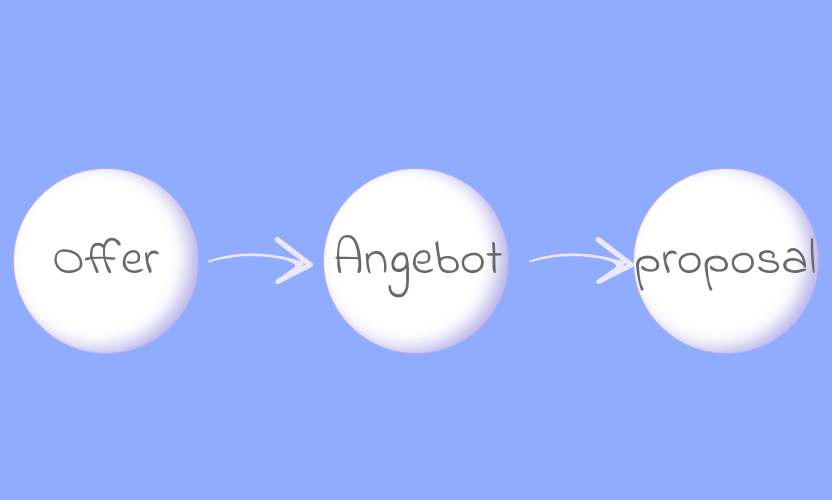
What is back translation? The method overview
Learn more about back translation and how it works! Head over to our blog to get more information about this method.
AI localization: Supercharge your translation workflow
AI localization uses artificial intelligence to streamline translation workflows, improve quality, and scale global content faster. Learn more in our blog.
Integrating internationalization in a GIT workflow
Control the project versions with LingoHub. Our branching support allows work with the different branches and keeps the project clean.
